Anxiety Treatment
As a registered psychologist based in Sydney CBD, I work with people across a wide range of anxiety presentations — chronic worry, panic, social anxiety, health anxiety, and performance pressure. Sessions are available in-person at my Elizabeth Street practice or via telehealth anywhere in Australia, with Medicare rebates available through a Mental Health Treatment Plan.
What Is Anxiety?
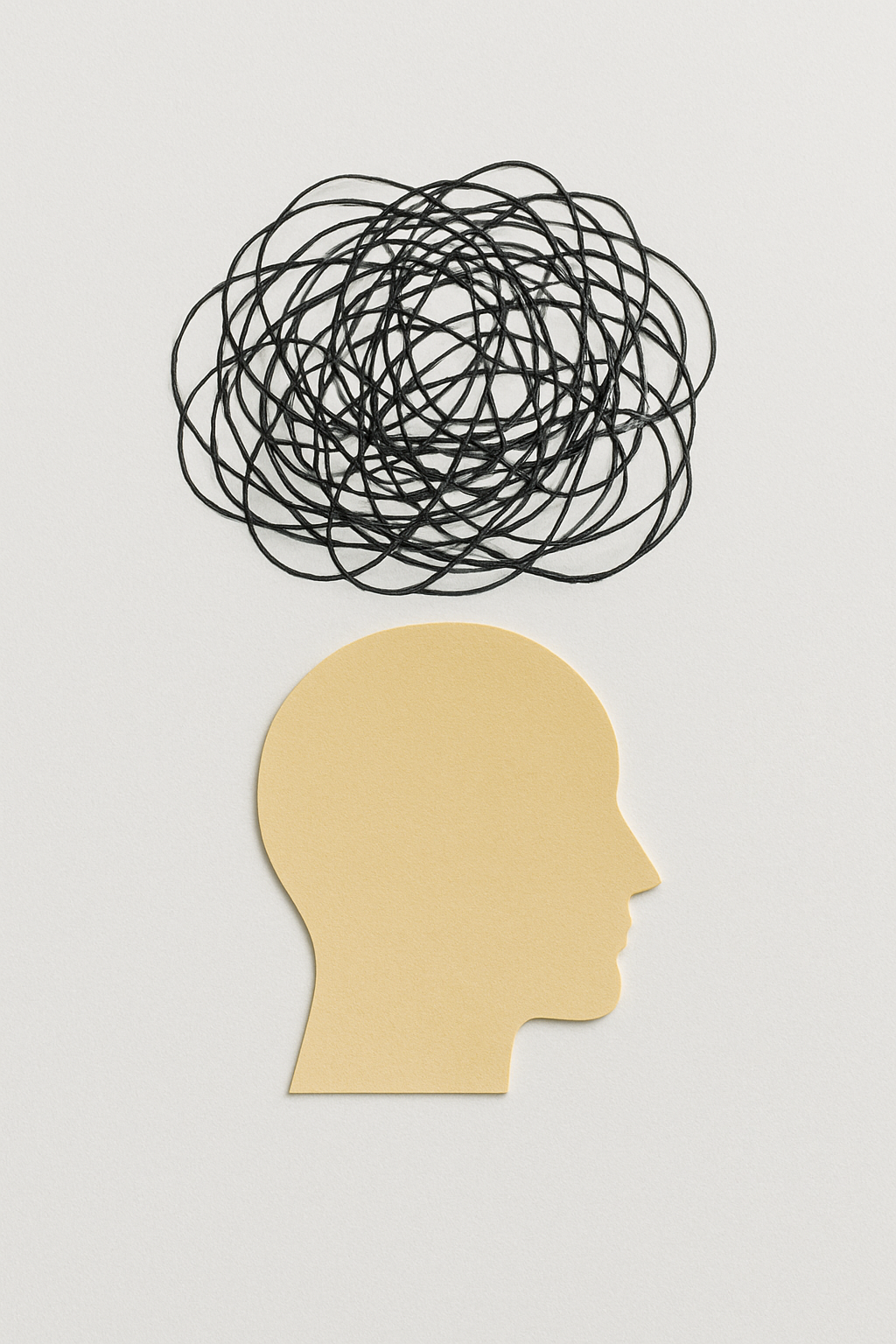
At its core anxiety is a threat-response system, which evolved to detect danger and keep you safe from life-threatening situations. Anxiety becomes a problem when that system (the fight or flight response) starts setting off false alarms in situations that aren’t truly dangerous.
When anxiety is active, you may notice:
racing thoughts or catastrophic thinking
increased heart rate, sweating, or shakiness
tightness in the chest, jaw, or stomach
restlessness or agitation
difficulty concentrating
avoidance of certain situations
Importantly, anxiety doesn’t just live in the mind — it involves thoughts, emotions, physical sensations, and behaviour, all reinforcing one another.
Common Types of Anxiety
Anxiety can present in many different ways and across various types of situations. Some common types of anxiety include:
Panic Attacks: Sudden surges of intense fear paired with physical symptoms such as shortness of breath, dizziness, chest pain, or a fear of losing control.
Performance Anxiety: anxiety that emerges when your focus turns inward — self-directed attention towards monitoring yourself, your thoughts, or your performance. This can often show up at work, public speaking, job interviews, dating, sport, or sexual performance.
Social Anxiety: concern about how you’re coming across to others, fear of judgment, or feeling exposed or scrutinised in social situations. This often leads to avoidance or safety behaviours to help cope with the fear (e.g. drinking alcohol, rehearsing sentences, etc…).
Generalised Anxiety: persistent worry about multiple areas of life, leading to constant ‘overthinking’ and an inability to switch off. Many people with generalised anxiety excessively plan and structure their lives in an attempt to reduce uncertainty.
Health Anxiety: heightened focus on bodily sensations and the fear that minor symptoms signal serious illness.
Death or Existential Anxiety: fear related to mortality, meaning, control, or uncertainty.
Specific Phobias: intense fear tied to particular objects or situations (e.g. flying, heights, needles), usually driven by avoidance.
Why Anxiety Persists
One of the most frustrating aspects of anxiety is that the very strategies people use to cope often keep it alive.
Common patterns include:
avoiding situations that trigger anxiety
trying to suppress or “push away” anxious thoughts
constantly checking or reassurance-seeking
over-thinking and analysing to find certainty
monitoring bodily sensations
While these behaviours make sense in the short term, they teach the nervous system that anxiety is dangerous — reinforcing the cycle.
Over time, life can feel increasingly restricted and it can even reach the point where it becomes debilitating.
Anxiety and High-Functioning Individuals
Many people I work with are capable, responsible, and driven — yet struggle internally with anxiety.
They may be:
successful at work but constantly tense
“holding it together” while feeling overwhelmed
frustrated that anxiety doesn’t match logic or effort
embarrassed by symptoms they don’t understand
Therapy offers a space to step out of vigilance mode and make sense of what’s happening — without judgment or pressure to perform.
When It’s Worth Getting Support
You don’t need to be in crisis to seek help. Early support often prevents patterns from becoming more entrenched.
It may be worth considering therapy if:
anxiety is affecting your quality of life
you avoid situations you want or need to engage in
reassurance or control strategies aren’t working anymore
panic or worry feels unpredictable or exhausting
anxiety is interfering with sleep, relationships, or performance
How I Help With Anxiety
My approach to working with clients experiencing anxiety focuses on focuses on evidence-based principles and draws from various psychological interventions that I tailor to your specific needs and goals.
This generally involves:
1. Understanding Your Anxiety
We work to understand how anxiety operates for you — how it shows up, what triggers it, and how your thoughts, emotions, body, and behaviours interact. This clarity alone can significantly reduce fear and self-blame.
2. Changing the Relationship with Anxiety
Rather than fighting anxiety, therapy helps you respond differently to it — reducing avoidance, challenging unhelpful beliefs, and allowing anxious sensations without escalating them.
This might involve:
cognitive approaches to unhelpful thinking patterns
exposure-based strategies to reduce avoidance
emotional and somatic work to calm the nervous system
values-based approaches to reduce anxiety’s control over your choices
3. Building Lasting Skills and Confidence
The goal is not to eliminate anxiety completely — but to regain trust in yourself and your ability to handle it. As confidence builds, anxiety typically becomes quieter and less disruptive.
Frequently Asked Questions
How many sessions does anxiety treatment take? This depends on the type and severity of anxiety. Specific phobias can respond in as few as 6–8 sessions. Generalised anxiety and panic disorder typically require 12–20 sessions. Some people with longer histories of anxiety or more complex presentations benefit from longer-term work.
Does Medicare cover psychology sessions for anxiety? Yes. With a Mental Health Treatment Plan from your GP, you're eligible for Medicare rebates on individual psychology sessions. Speak to your GP about accessing a plan before your first appointment.
What's the difference between a psychologist and a psychiatrist? Psychologists provide psychological assessment and therapy. Psychiatrists are medical doctors who can prescribe medication. For most anxiety presentations, therapy with a psychologist is the recommended first-line treatment. Medication is sometimes used alongside therapy for more severe presentations.
Do I need a referral to see a psychologist? No referral is required to see a psychologist. A GP referral is only needed if you want to access Medicare rebates through a Mental Health Treatment Plan.
Is telehealth as effective as in-person therapy for anxiety? For most anxiety presentations, yes. CBT and exposure-based therapy have been shown to be equally effective via telehealth. If you're not based in Sydney CBD or prefer the flexibility, telehealth sessions are available Australia-wide.
What if I've tried therapy before and it didn't help? This is common, and it's worth understanding why. Supportive counselling and CBT-based treatment for anxiety are different things. If previous therapy didn't involve structured exposure work or specific cognitive techniques, it may not have targeted the mechanisms maintaining your anxiety. It's worth discussing what you've tried and what's been missing.
Related Services
If anxiety is part of a broader pattern, you may also find these pages relevant:
Depression — anxiety and depression frequently co-occur, and treatment often needs to address both
Burnout & Stress — chronic anxiety and workplace burnout share significant overlap
Insomnia — anxiety is one of the most common drivers of sleep difficulties
OCD — OCD involves a specific anxiety cycle that requires its own targeted approach
If you'd like to discuss your situation and whether therapy might help, please get in touch here or by using the form below.
Get in touch
Have a question or would like to arrange an appointment? You’re welcome to reach out, even if you’re unsure where to begin.